Product selection
Engine Oil specifications and SHILUX approvals.
Search our maintained product data by approval, specification or common spelling.
Loading… Enable JavaScript to use this tool.
Important: Search results are based exclusively on structured product data. They do not replace the current data sheet or the vehicle manufacturer’s requirements.
SHILUX approvals: where can I find the required specification?
The vehicle manufacturer’s requirement is the starting point for your search.
Check SHILUX approvals against the vehicle manual
Look in the engine oil, lubricants or technical data section. You will find the required viscosity grade and manufacturer approval, for example VW 504 00.
On a label in the engine bay
Some vehicles also show oil information on a label in the engine bay. An oil-change sticker may only record the oil used previously. Always check the requirement in the manual.
VW 504 00 is an example, not a recommendation for every vehicle. If the information is missing or unclear, ask the vehicle manufacturer or your workshop.
Good to know
Viscosity made clear.
A practical guide for initial orientation. The vehicle manufacturer’s current requirement always takes priority.
Viscosity alone never confirms compatibility.
01What do 0W-20, 5W-30 or 5W-40 mean?
The number before W describes cold-flow behaviour: the lower it is, the faster the oil reaches lubrication points during a cold start. The second number describes viscosity at operating temperature. It is not a quality grade, but part of the engine’s technical design.
02Why choose 0W-20 instead of 5W-30?
0W-20 is intended for engines designed around low friction, rapid cold-start circulation and efficiency, which is common in modern turbo, downsized and hybrid powertrains. 5W-30 provides a different film at operating temperature and covers many European LongLife and emissions-system applications. The manufacturer’s required approval or specification always decides.
03Is a thicker oil automatically better?
No. A higher SAE viscosity grade does not automatically mean better performance or greater durability.
Oil that is too thick or too thin may not be suitable for the engine’s design.
Always use engine oil with the viscosity grade, approvals and specifications required by the vehicle manufacturer.
04Can I simply change from 5W-30 to 0W-20?
Only if the vehicle manufacturer approves both viscosity grades with the correct specification for that exact engine. Vehicle model, year, engine code and service requirement must be checked. Viscosity alone is not enough for a safe choice.
05What matters for hybrid vehicles?
Hybrid engines often experience frequent starts and periods when the combustion engine is off. Rapid oil circulation after startup and the manufacturer’s specified oil requirements are especially important. Many modern hybrid vehicles require 0W-20, but this does not apply to every vehicle.
06How do DPFs and GPFs affect engine oil selection?
Diesel particulate filters (DPFs) and gasoline particulate filters (GPFs) often require engine oils with reduced sulfated ash, phosphorus and sulfur content (Low-SAPS). The correct oil must meet the applicable ACEA specifications and vehicle manufacturer requirements. Viscosity alone does not determine suitability.
Understanding approvals and specifications
A search result means that the search term matches the stored product information. By itself, it does not confirm a manufacturer approval or suitability for your engine. Check how the requirement is described in the current product data sheet.
How does a specification differ from an approval?
SAE, ACEA and API describe different properties or performance requirements. A vehicle manufacturer approval relates to that manufacturer’s requirements and approval process. An ACEA claim is not an individual product approval issued by ACEA: ACEA does not certify individual oils.
What does “Recommendations in the data sheet” mean?
A recommendation for use must be distinguished from a documented manufacturer approval. Check the exact wording in the data sheet. If a requirement appears under “Recommendations in the data sheet” on this website, do not automatically interpret it as an official manufacturer approval.
How do I check a search result?
Copy the complete required specification from the vehicle manual. Open the product page and compare the exact designation and viscosity grade with the current data sheet. Do not confuse similar specification numbers or assume that a higher number is automatically a suitable replacement.
What if information is missing or contradictory?
Do not choose solely by the closest search match. Include the engine details and required specification when making an enquiry. We can provide available product information; clarify uncertain vehicle requirements with the vehicle manufacturer or your workshop.
How to choose a suitable engine oil · Explore all engine oils
Further reading: ACEA on oil sequences and manufacturer responsibility.
Compare product information and documents
These product pages show specifications and data sheet recommendations separately. Their inclusion here does not confirm a manufacturer approval.
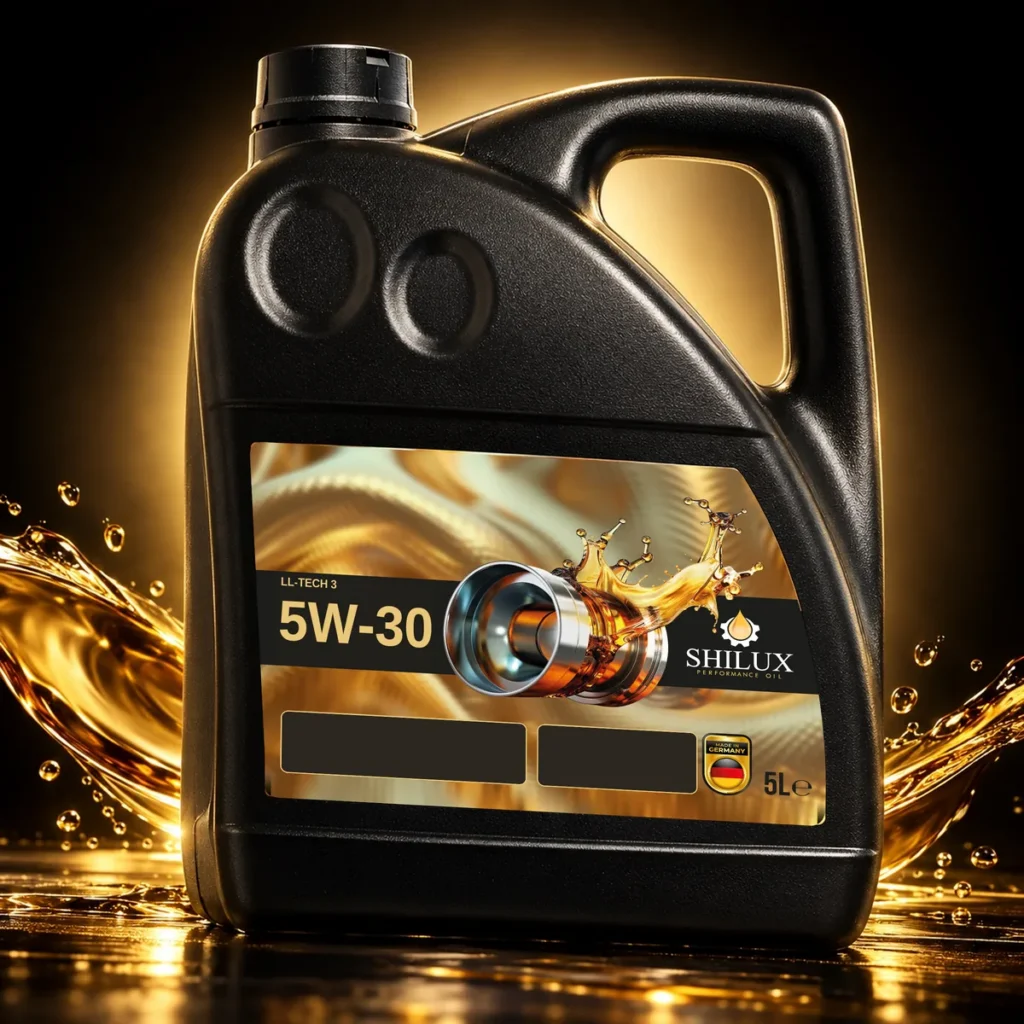 Engine Oil
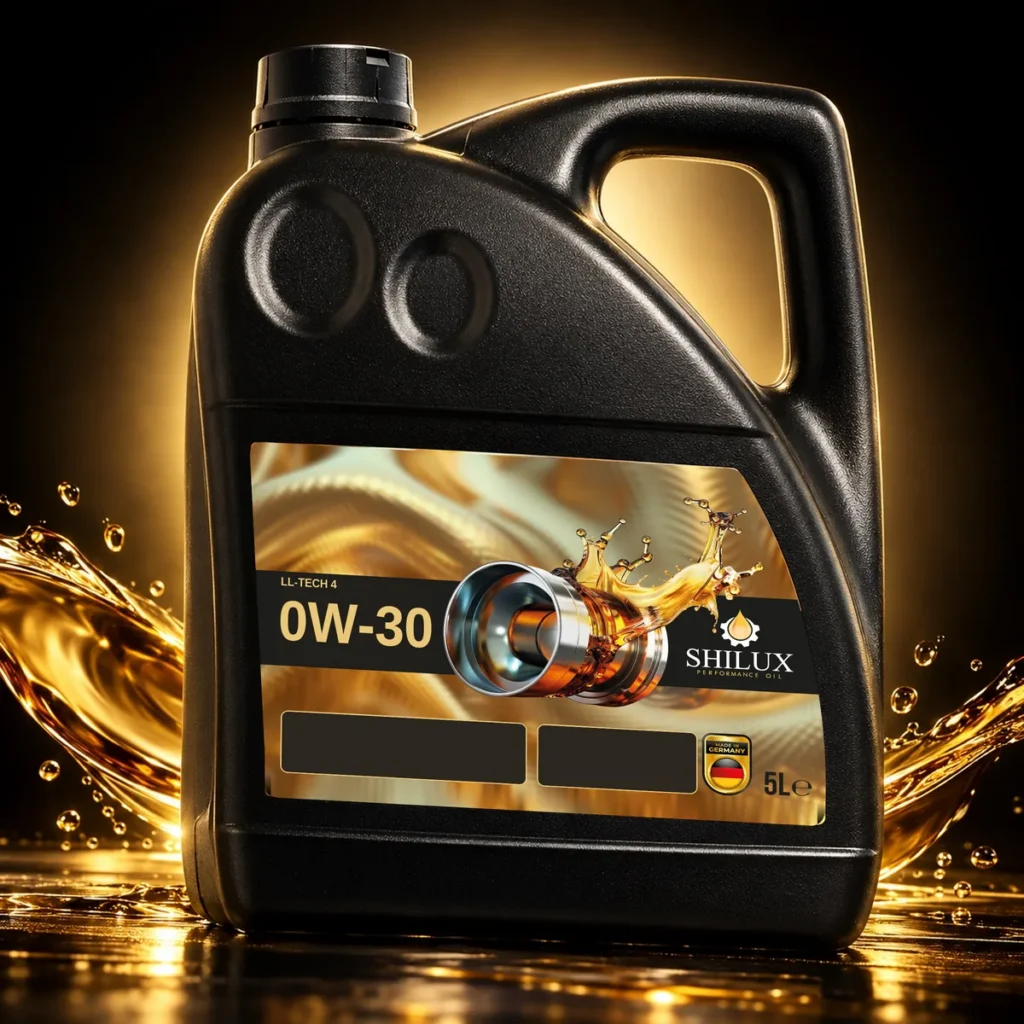 Engine Oil
LL-Tech 4
SHILUX 0W-30 LL-Tech 4
Low-SAPS low-friction oil for petrol and passenger-car diesel engines with manufacturer-specified extended service intervals.
Your next step